
The Dos and Don’ts of Restoring a Historic Spanish Property
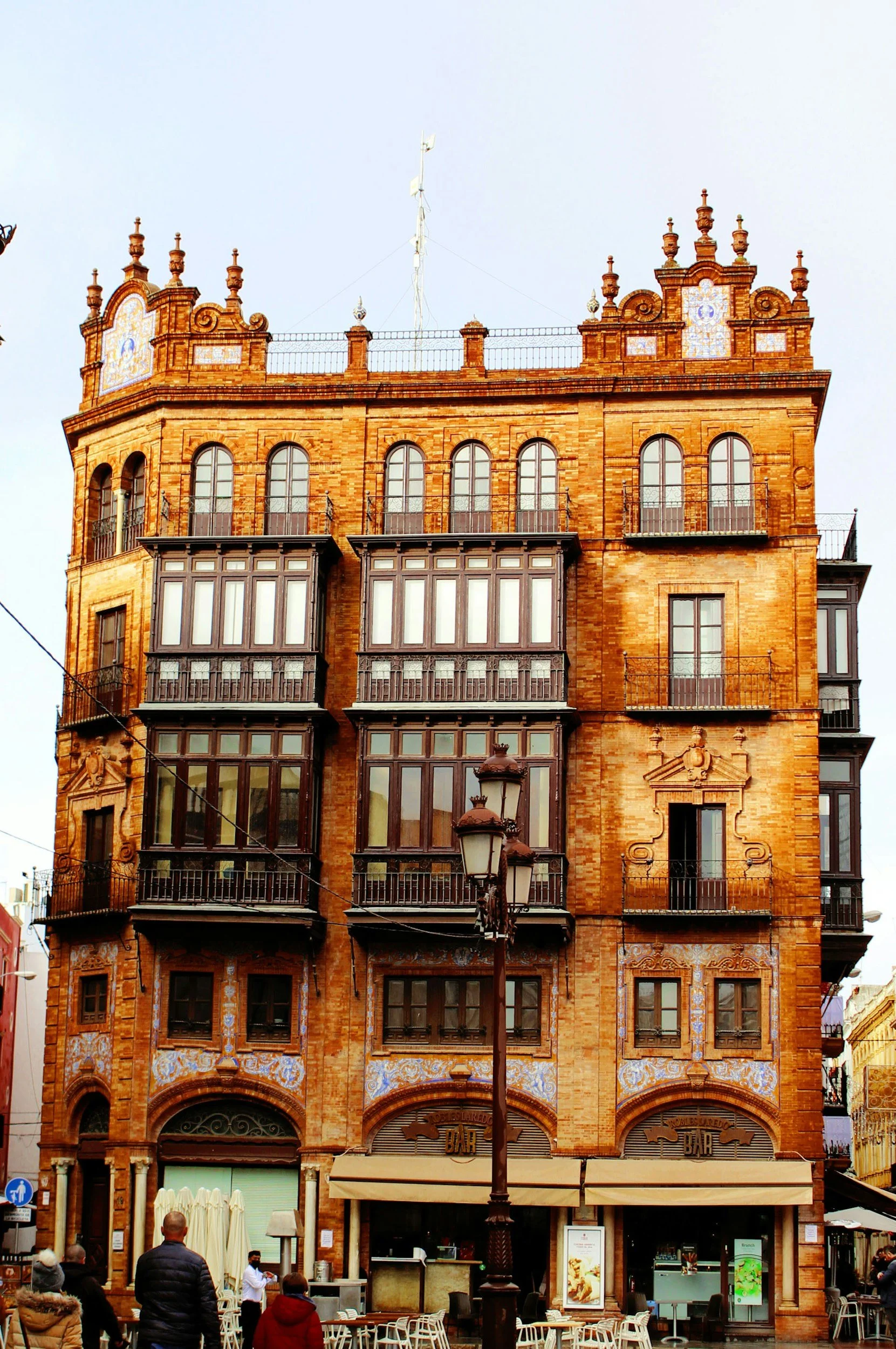
Restoring a historic Spanish property is a dream for many—imagine owning a charming old finca, a centuries-old village house, or even a grand hacienda filled with history and character. But restoring one of these gems is not just about slapping on fresh paint and calling it a day. It’s about preserving heritage, navigating bureaucracy, and making smart choices to balance old-world charm with modern comfort.
At Clarante Concepts SL, we’ve helped countless clients bring historic homes back to life. Here’s our expert guide to the Dos and Don’ts of restoring a historic Spanish property—so you can avoid costly mistakes and create a stunning, timeless home.
DO: Research the Legal Restrictions First
Many historic homes in Spain are protected by heritage laws, meaning you can’t simply renovate them as you please. Some properties require special permits for even minor modifications.
What to check:
Is the home listed as a protected property (Bien de Interés Cultural - BIC)?
What building permits and approvals do you need before starting work?
Are there restrictions on materials or design elements?
Does your town hall require you to preserve specific features?
Tip: Work with an experienced architect who understands heritage preservation laws to avoid legal headaches later.
DON’T: Underestimate the Costs
Renovating an old property is not like upgrading a modern home. Many historic houses have hidden problems—from weak foundations to outdated plumbing and electrical systems.
Common costly surprises:
Structural repairs (cracks, unstable walls, roof reinforcement)
Rewiring and installing modern plumbing
Damp-proofing old stone or adobe walls
Restoring wooden beams or tile roofs
Budget Wisely: Always add 20-30% extra to your initial budget for unexpected expenses.
DO: Preserve Original Features
The true beauty of a historic home lies in its original details. Restoring instead of replacing keeps the character intact and increases property value.
Key features to preserve:
Wooden beams & terracotta tiles – Sanding and treating them brings out their natural beauty.
Stone walls – Clean and reinforce instead of covering them with modern plaster.
Moorish arches, ironwork, and antique doors – Timeless details that make your home unique.
Traditional Spanish fireplaces (Chimenea) – Keep the rustic charm alive.
Tip: Use local craftsmen who specialize in traditional restoration techniques.
DON’T: Modernize Everything
While modern conveniences are great, turning a 200-year-old Spanish farmhouse into a glass-and-steel villa defeats the purpose of a historic restoration.
Avoid:
Knocking down thick stone walls to create open-plan layouts.
Installing ultra-modern finishes that clash with traditional architecture.
Replacing original wooden doors and windows with generic aluminum frames.
Balance is Key: Blend modern comfort with traditional aesthetics—think underfloor heating beneath original tiles or discreet solar panels instead of tearing out historic details.
DO: Choose Authentic Materials
To maintain the integrity of a historic Spanish property, use materials that match the original construction.
Best materials for historic restoration:
Lime-based plaster & paints – Breathable and perfect for stone walls.
Handmade terracotta tiles – Maintain the traditional Spanish flooring look.
Reclaimed wood – Keeps the warmth and charm of old timber.
Traditional ironwork – For gates, balconies, and window grilles.
Pro Tip: Using authentic materials isn’t just about aesthetics—it also helps the home "breathe" naturally and prevents moisture problems.
DON’T: Ignore Energy Efficiency
Historic homes were not built with modern energy efficiency in mind, but that doesn’t mean you have to live with cold winters and hot summers!
How to improve energy efficiency without compromising style:
Install insulation – Use natural materials like cork or lime-based plaster.
Double-glazed wooden windows – Maintain the look while improving insulation.
Solar panels (discreetly placed!) – Reduces energy bills and is environmentally friendly.
Underfloor heating – Works well under terracotta tiles.
Tip: Spanish regulations now require energy efficiency improvements in renovations—so plan for it early!
DO: Work with Restoration Experts
A historic home requires specialized knowledge. Regular builders might not know how to handle old materials or traditional techniques, which can lead to irreversible damage.
Who you need on your team:
An architect experienced in historic renovations.
A contractor who knows how to restore old stone, wood, and tile properly.
A project manager (like us!) to oversee timelines, permits, and quality control.
Pro Tip: Hire local craftsmen to ensure authentic restoration and avoid costly mistakes.
DON’T: Rush the Process
Restoring a historic home takes time, patience, and planning. If you rush, you risk making costly mistakes that could ruin the home’s charm—or worse, require redoing work later.
Realistic timeline expectations:
Small cosmetic renovations: 3-6 months
Full structural restoration: 12-24 months
Permit approvals: Can take months depending on local regulations
Plan Ahead: Expect delays, and work with a team that understands Spanish bureaucracy.
Final Thoughts: Is Restoring a Historic Spanish Property Worth It?
Absolutely—if you do it right! A carefully restored historic home in Spain is a true work of art, offering timeless charm, solid investment potential, and a connection to Spain’s rich history.
At Clarante Concepts SL, we specialize in bringing historic Spanish homes back to life while maintaining their soul and authenticity. Whether you need guidance, expert builders, or full project management, we’re here to help.
Thinking about restoring a historic property? Let’s turn your vision into reality!